“Boiling sap like that oftentimes kept us there all night,” said Aaron Wightman, co-director of the Cornell Maple Program. “We’ve done 48-hour shifts; staffing [those shifts] is just incredibly painful and difficult.”
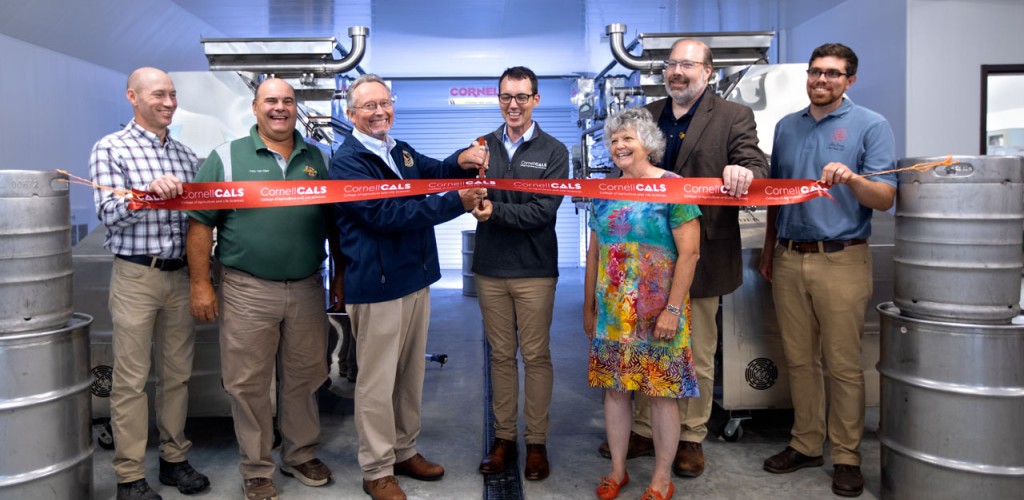
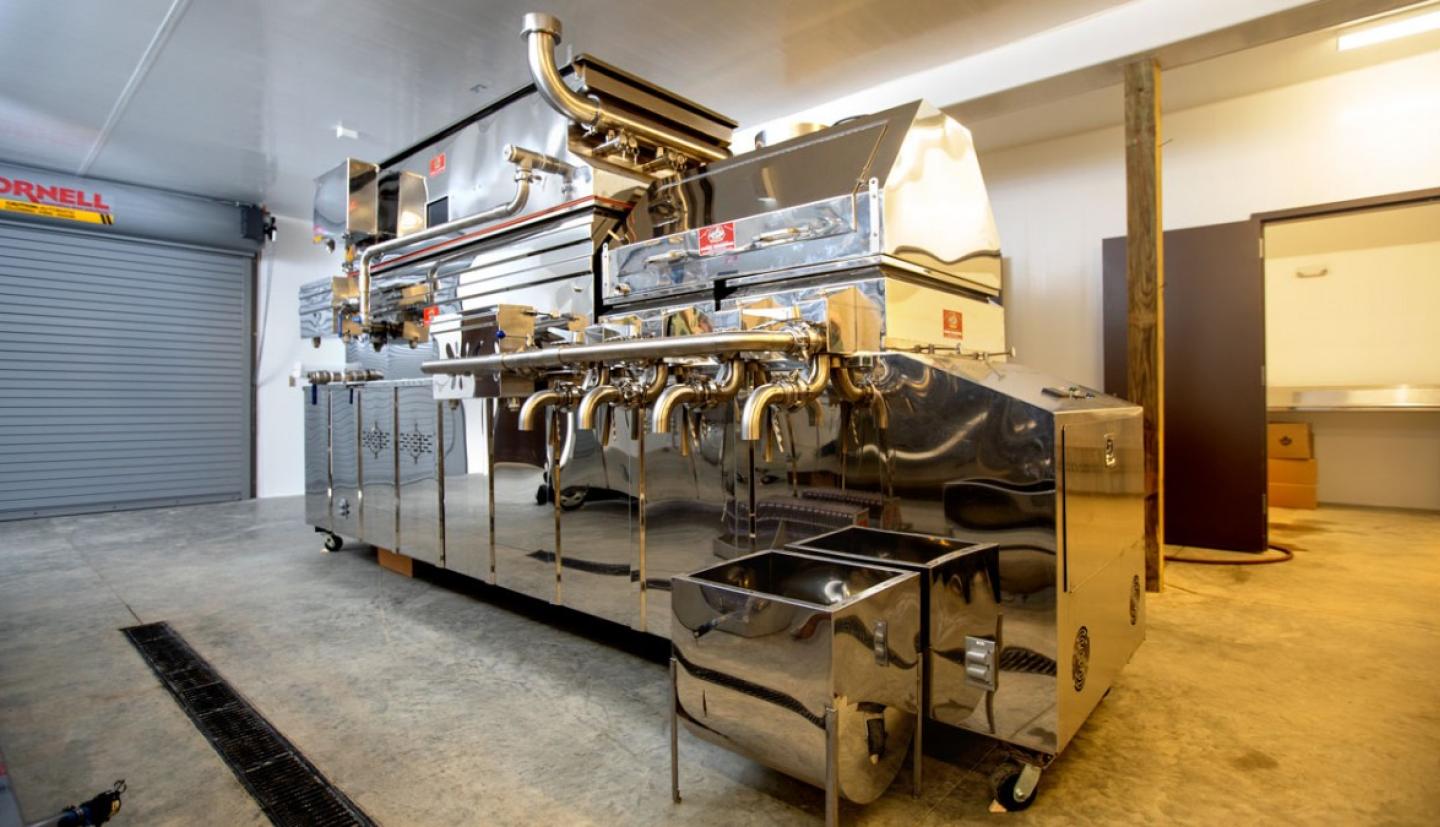
Also, much of the research relevant to New York maple producers must address the needs of larger-scale systems, as state commercial operations typically tap 5,000 to 10,000 trees. Along with a cement floor, hot tap water, a bathroom and insulation, the new facility meets commercial standards.
In addition to accommodating larger systems, the facility will help keep the state’s maple industry robust.
“The maple industry in New York has grown about 400% in the last 15 years,” Wightman said. “All appearances suggest that we will continue to expand, which is a great benefit to upstate New York, where a lot of other agricultural businesses have been losing ground. This is a new opportunity.”
But, he added, producers need to keep gaining efficiency and improving and maintaining quality in order to keep it profitable. When maple syrup reaches the shelf, consumers don’t distinguish between sources, he said, so bad batches can lower consumer perceptions of the entire industry. Right now, more research is needed to understand steps in the process that influence flavor and syrup color (which determines the grade).
“I’m trying to create guidelines and decision-making tools that allow maple producers to control the process,” Wightman said.
The new facility is one of two in the country (along with the University of Vermont) with redundant systems. The setup will let Wightman run experiments to determine optimal storage conditions; microbe levels that convert sugars and affect color; temperature; dissolved oxygen levels; and the right time to boil sap.
Also, improving related products – such as maple candy and sports drinks – and developing new products are necessary to keep the industry growing.
Maple wine allows producers to enter the state’s $4.5 billion wine industry. Maple chocolates and candies can add to the $200 billion annual U.S. confections market. Maple sugar is another area where the industry could make inroads: Americans consume about 3 ounces of maple syrup a year per capita, but they consume about 150 pounds of sugar.
All of this information will continue to be shared throughout the state and beyond, through summer maple bootcamps at Arnot Forest, workshops throughout the state, conferences, the Cornell Maple Program’s “Sweet Talk” podcast, publications, industry newsletters and by answering individual inquiries.
The Cornell Maple Program includes the new lab at the Arnot Research Forest and a sister facility at the Uihlein Maple Research Forest, managed by maple program co-director Adam Wild, in Lake Placid, New York. CALS administers the maple program, while the Department of Natural Resources and the Environment oversees both forests.
This story first appeared in the Cornell Chronicle.