Cornell’s Sustainable Landscapes Trail now can be explored virtually, in a new narrated video tour from Cornell Botanic Gardens.
The 16 sites on the trail promote open spaces, natural areas and landscapes with unique sustainability features that enhance and promote healthy ecosystems. Most of these features were designed with staff, student, faculty and research collaboration.
Through the trail, the Cornell community can learn about the many benefits of the natural environment and from properly functioning ecosystems. This is known as “ecosystem services,” and they support our survival and quality of life, directly and indirectly. They include reducing storm water runoff, improving water and air quality, and conserving energy.
Stops on the trail include seven at Cornell Botanic Gardens, which has long played a prominent role in campus sustainability efforts.
“Almost everything we do at Botanic Gardens is sustainable landscape, one way or another,” said Todd Bittner, director of natural areas. “Our mission to conserve biodiversity aligned perfectly with purpose of this trail. It allows us to share our sustainability efforts, as well as the challenges that follow, and to advocate for sustainable practices.”
The Sustainable Landscapes Trail launched in 2018. It features innovative gardens, green roofs, native and low-maintenance lawns, bioswales and water-management landscapes, sites using patented CU-Soil to enhance urban trees, and sites that demonstrate sustainable pest management practices.
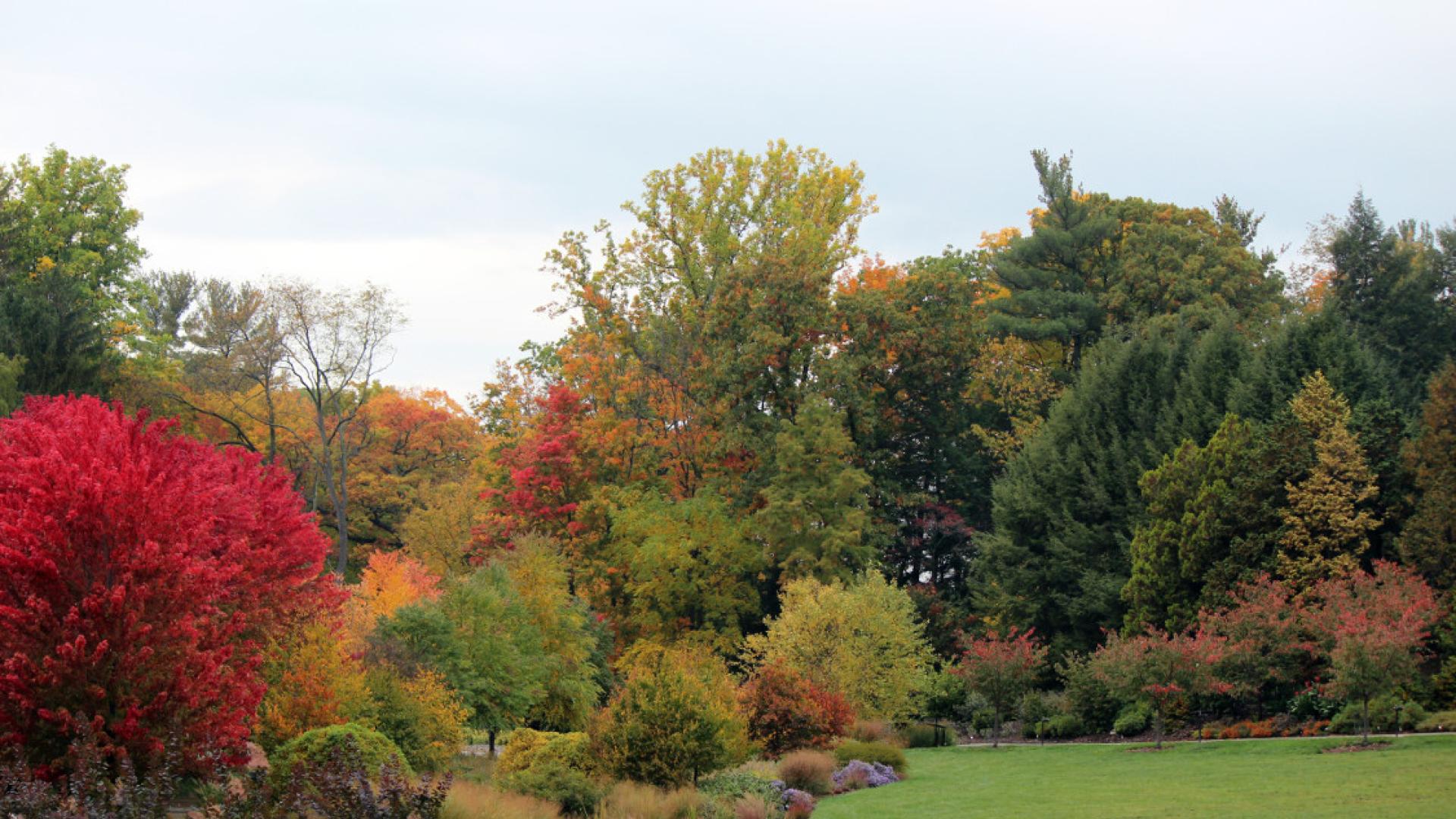
Header image: The Bioswale Garden at Cornell Botanic Gardens cleanses stormwater runoff from the adjacent parking lot, before it flows into Beebe Lake. Photo by Jay Potter
This article also appeared in the Cornell Chronicle.