There are lessons in distribution failures like these – and Daniel Hooker ’93, senior lecturer in the Charles H. Dyson School of Applied Economics and Management, is teaching a new course this fall to address some of the crises related to the pandemic.
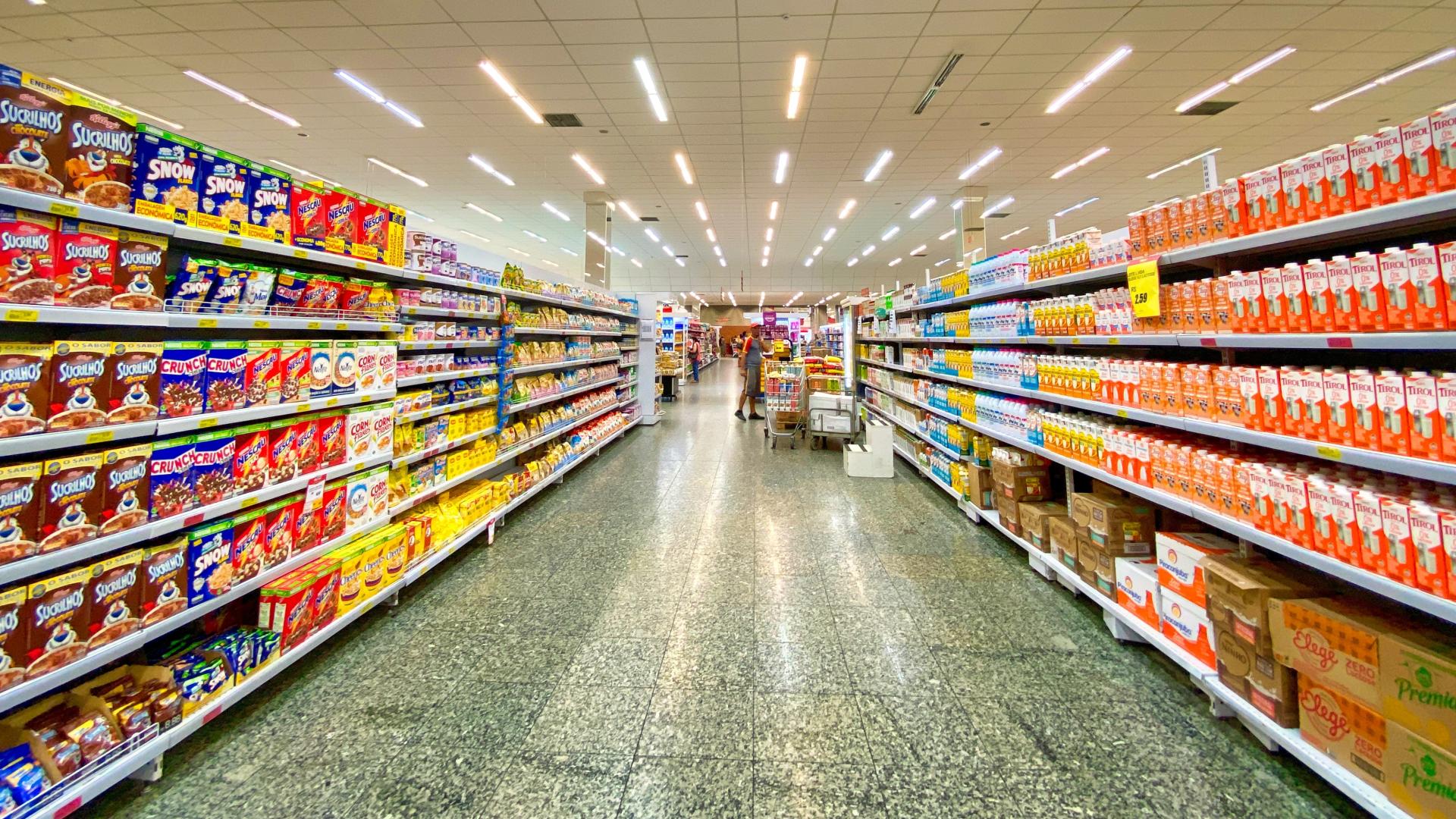
Supply Chain Strategy and Supermarket Simulation (AEM 3270) will give students a high-level understanding of supply-chain management and strategy in the food industry. The course will include a supermarket simulation, so students can use that knowledge to operate and turn around a set of underperforming supermarkets.
“The students will work together to make decisions around inventory planning, pricing, labor management and capital expenditures,” Hooker said. “They’ll use a series of financial statements to make those decisions, and they’ll compete with one another. At the end of the course, they should have a great overview of supply chain and be able to drill down to how a supermarket operates and how supply chain plays such an important role.”
According to Hooker, now’s a great time to pursue a career in the food industry.
“Technology, food and agriculture have collided,” he said, “and there are all kinds of really exciting opportunities in big data analytics and supply chain, in marketing and merchandising, and in investing in sustainable resources and agriculture.”
A version of this story appears on the SC Johnson College of Business website.
This article also appeared in the Cornell Chronicle.
Header image: Photo by Nathália Rosa on Unsplash