


Back

Discover CALS

See how our current work and research is bringing new thinking and new solutions to some of today's biggest challenges.

  • CALS Global Fellows Program
  • Global Development Section
Share

Experiential learning is a cornerstone of education in Global Development. This summer, three International Agriculture and Rural Development (IARD) majors are working remotely with partners on the ground on three continents as part of the CALS Global Fellows Program:

  • Khusel Avirmed ’21: Thailand, EnerGaia
  • Annie Weiss ’21: Argentina, Quarterra Consulting & Advisory
  • Matthew Sorge ’21: Kenya, Manor House

In adapting to the pandemic and travel restrictions, these students will be confronting some of the world's greatest challenges from their own homes. They will be finding new, creative ways to make an impact on the world - in Thailand, Argentina and Kenya, to be exact - and work to improve sustainable agriculture and food systems.

Meet the fellows

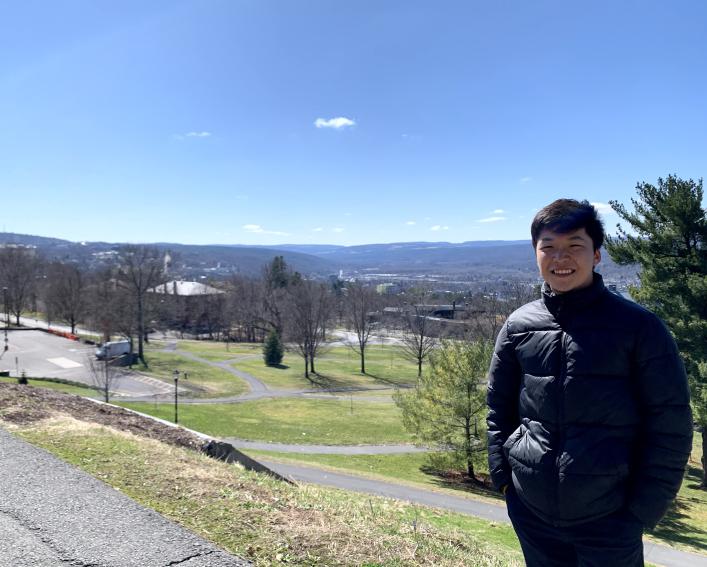
Khusel Avirmed ’21: Thailand

“This summer, I will be interning at EnerGaia, an environmentally and socially minded enterprise based in Bangkok, Thailand. My main role will be to help developing a project plan & MVP for machine learning computer vision to determine the optical density of spirulina bioreactors. Optical density (OD) is used to measure the growth productivity of spirulina. Machine learning computer vision can significantly improve the efficiency at measuring OD which in turn can help improve the productivity of future food (spirulina) farms.”

Meet the fellows

Annie Weiss ’21: Argentina

“This summer, I am interning for Quarterra Consulting & Advisory, which is a boutique agribusiness consulting firm based in Buenos Aires. Quarterra offers services that include market analysis, investment analysis, corporate strategy, visit coordination, monthly dairy industry summary reports, and speaking events.”

Meet the fellows

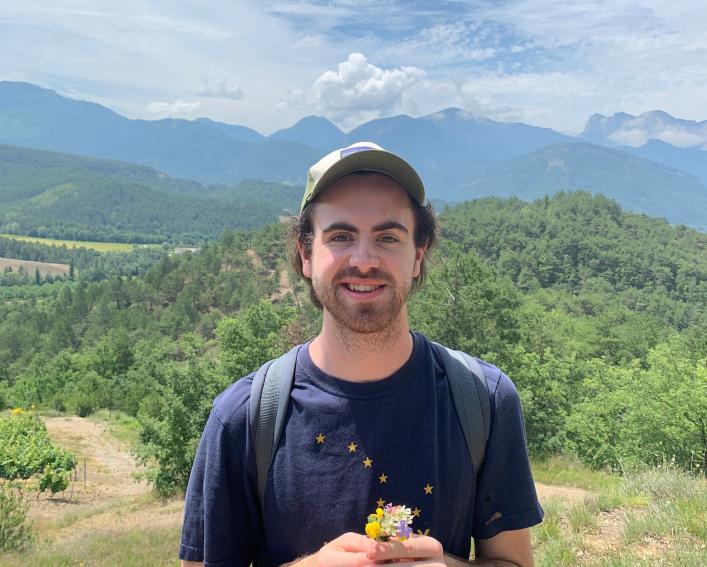
Matthew Sorge ’21: Kenya

“This summer I’ll be researching and collecting added value practices among small holders in East Africa. This is to help the agroecology research institute Manor House suggest context specific solutions to farmers in rural Kenya.” 

Khusel Avirmed
Annie Weiss
Matthew Sorge

Keep Exploring

Several red 'Crimson Beauty" raspberries hang from green leaves and stems.

Report

Relevance Raspberry and strawberry production in the United States is concentrated in California and Florida, where climate variability and rising costs challenge long-term sustainability. Demand for locally grown fruit is increasing, creating...
  • Cornell Cooperative Extension
Charles Midega (left) and Roy Odawa display the Kontiki kiln they modified to make biochar from human feces. Credit: Rebecca Nelson

News

Cornell researchers and Kenyan partners have developed a fertilizer made from human excreta. The product improves soil health and food production, while preventing pollution in informal settlements and the aquatic environment.

  • Ashley School of Global Development and the Environment
  • Global Development Section
  • Agriculture
