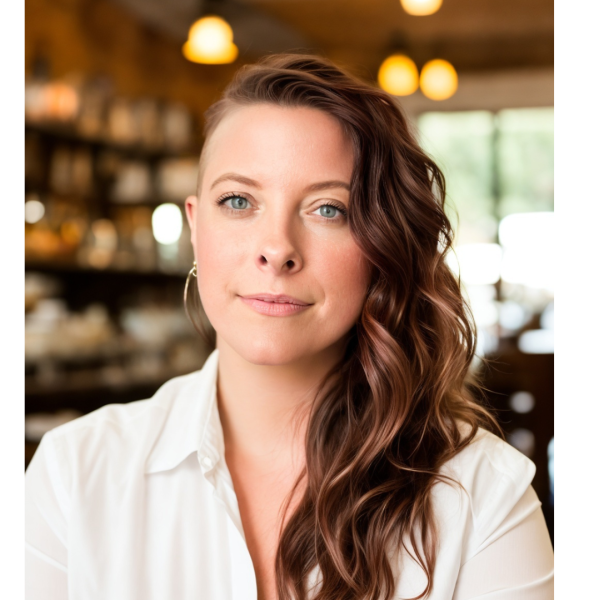
“Studying Audre Lorde, Alice Walker and Dorothy Allison, I began to see my roots as a resource rather than a source of shame,” she says.
Warner uses the monetary prize she won as a recipient of the Stephen H. Weiss Junior Fellow – given to associate professors for outstanding teaching, mentoring and research – as a way to develop personal relationships instead of singling out students, as her professor did. She also purchases snacks for her classes, as she believes some students are food insecure and “because breaking bread together creates kinship.”
Undergraduates can find kinship through Mi Comunidad/My Community, a mentoring program run by graduate and professional students. The program addresses the needs of Hispanic undergraduates, helps them transition to college and build community among students, faculty and community members, says first-gen faculty member Debra Castillo.
“There is a thread that runs through lots of us who are first-generation students,” says Castillo, the Emerson Hinchliff Chair of Hispanic Studies and professor of comparative literature. “We think a bit more about communities, instead of more narrowly focused disciplinary pursuits.”
Castillo grew up on a dairy farm in northeastern Wisconsin; her father was the first in his family to go to high school. Because she was valedictorian of her high school graduating class, the state of Wisconsin paid for her college tuition. She worked to pay for her living expenses.
At Cornell, she has noticed first-gen students are reluctant to ask questions.
“We understand students are shy about asking questions. But we don’t know students are struggling unless they tell us,” says Castillo, a Stephen H. Weiss Presidential Fellow, an honor given to professors for outstanding teaching, mentoring and research.
“I think it is important to tell my stories so students understand we all face challenges, many of which seem unsurmountable at the time. But I did it, and they can too.” -Cynthia Leifer
Her advice to first-gen students: Take advantage of every single resource available to support you and make you successful.
At Cornell, these resources include the Cornell University Research Transfer program, aimed at biology students transferring from community colleges to Cornell. The program provides mentoring and research opportunities to foster a smooth transition.
The program was created by Avery August, Ph.D. ’94, vice provost for academic affairs, one of several members of the university’s leadership whose parents did not attend college. As a graduate student, August was unfamiliar with the appropriate dress for a student symposium.
“I showed up in a hoodie, baggie jeans and sneakers to give my talk, while everyone else was professionally dressed. It was an embarrassing feeling,” August remembers. “I didn’t hang around to socialize after my presentation.”
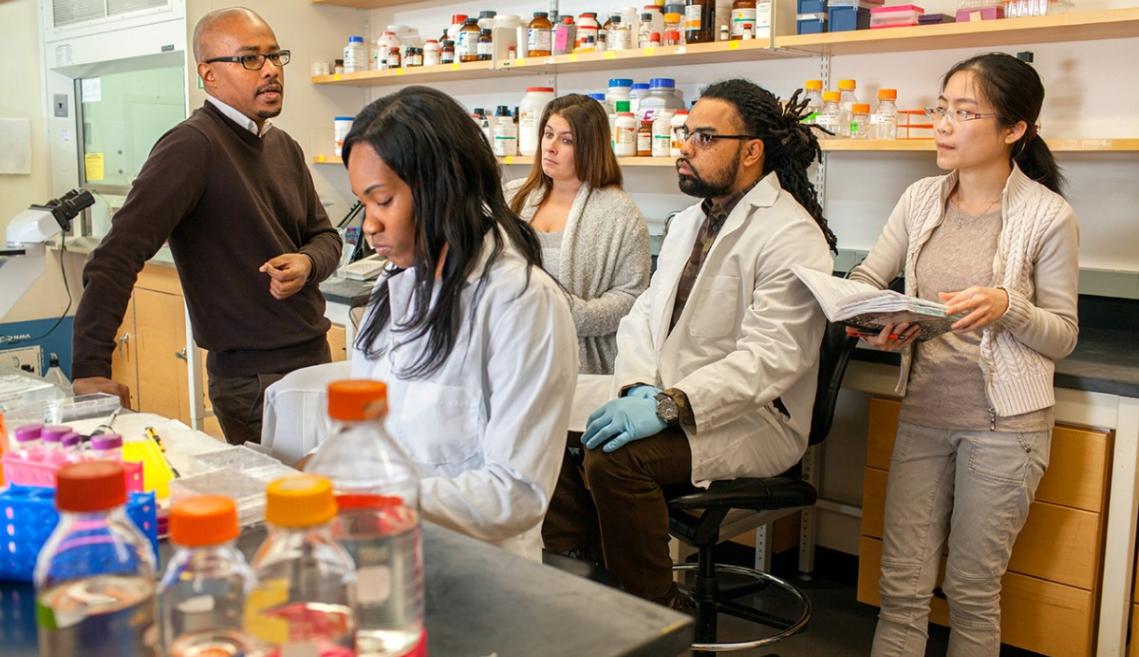
Now August, who is also a professor of immunology and a Howard Hughes Medical Institute professor, seeks out first-gen students for his lab, where they research immune response and the fundamental mechanisms developing T cell subsets and memory.
Cornell has additional resources for first-generation students, including the Kessler Presidential Scholars program; Pathways Internship Program; McNair Scholars Program; Summer Scholars Institute; the First Generation Student Union; and the First Generation and Low Income Graduate Student Organization.
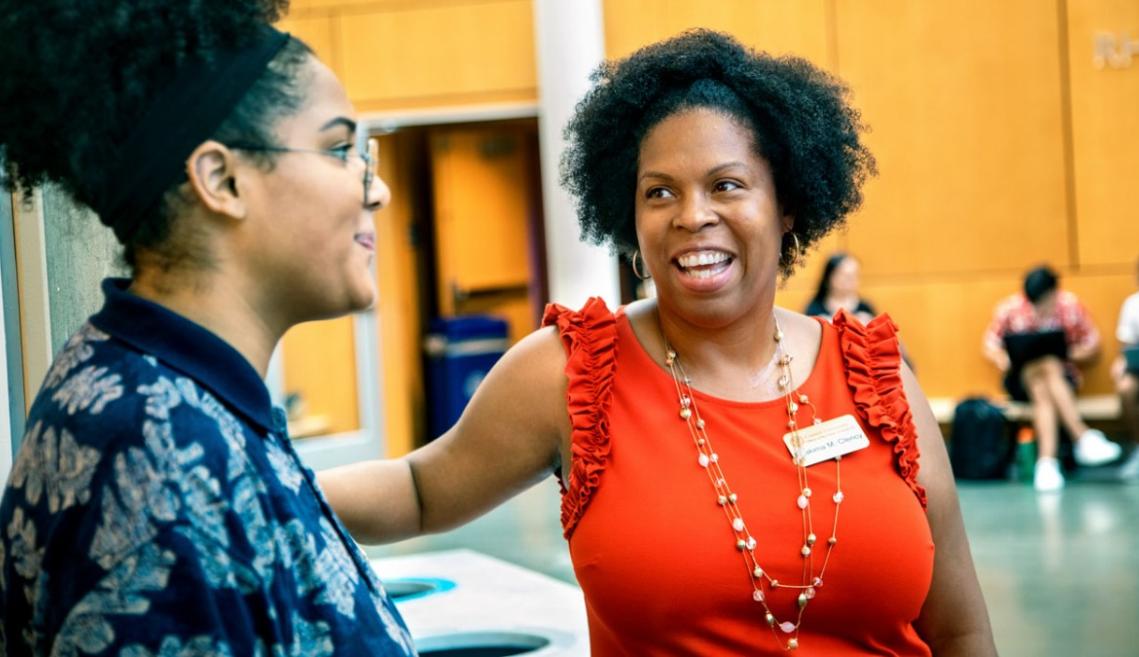
There also are precollege summer programs such as Upward Bound, says Shakima M. Clency, the Peggy J. Koenig ’78 Associate Dean of Students for Student Empowerment and First-Generation and Low-Income Student Support.
“All of these programs,” Clency says, “provide numerous opportunities and resources to empower and help first-gen students build their social networks, identify strategies to navigate the academic and social norms of Cornell, and foster a sense of community.”