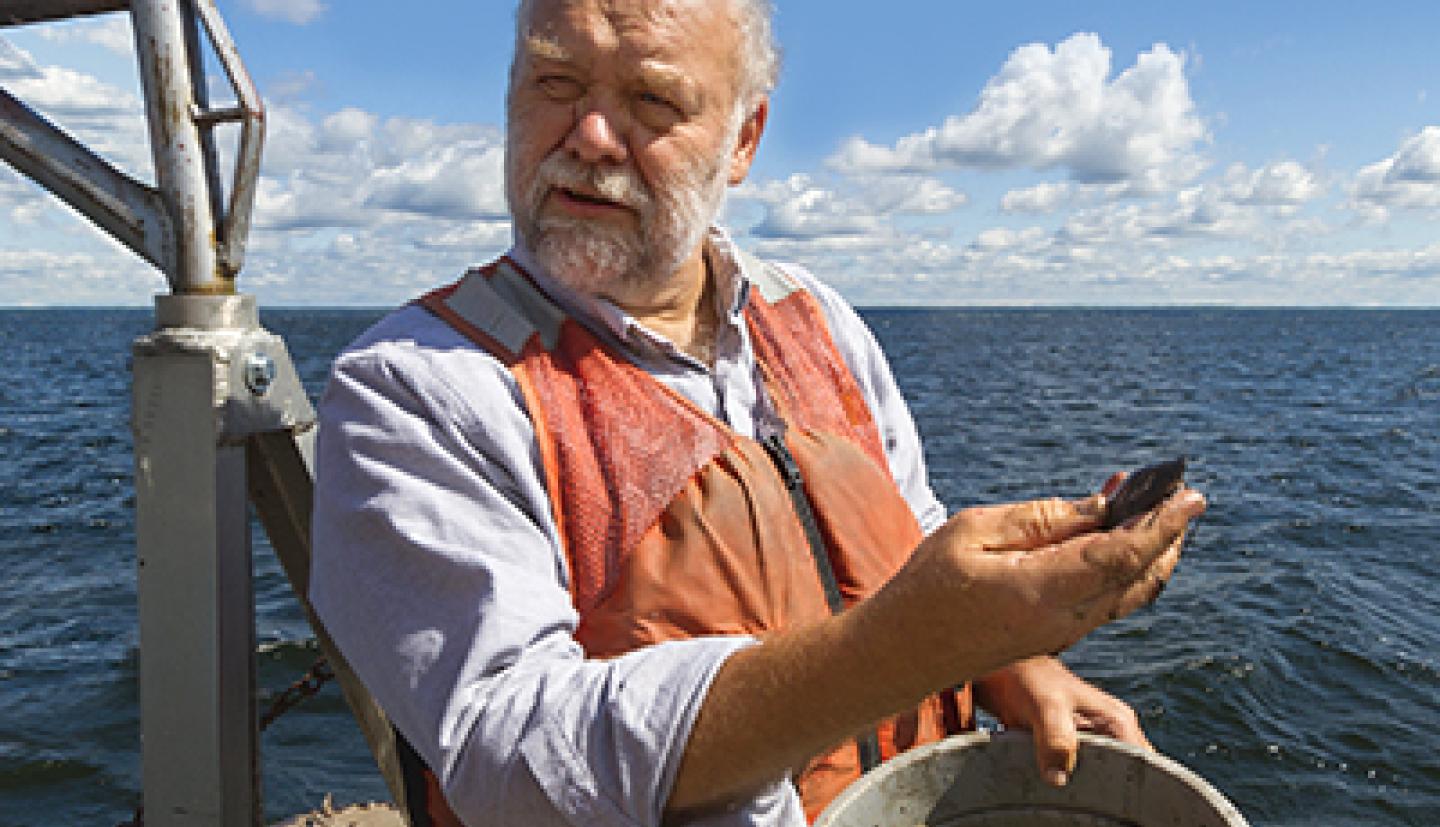
Look over the side of a boat on Oneida Lake in early summer: In some places you can see straight down nearly 18 feet below. The water is clearer than it was two decades ago, when the lake was more often covered with algal blooms, and murky waters sheltered young walleye and yellow perch. When the change in clarity came, it was accompanied by warming waters and invasive species. Scientists at the Cornell Biological Field Station (CBFS) at Shackelton Point have been monitoring changes in Oneida Lake, located northeast of Syracuse, for more than six decades. Researchers there track food chains, nutrient levels, predator-prey interactions, invasive species, and climate, and they are one of many teams in CALS tracking wild fish populations in ecosystems from inland lakes to coastal waters—information crucial to defining sustainability in fisheries for the future.
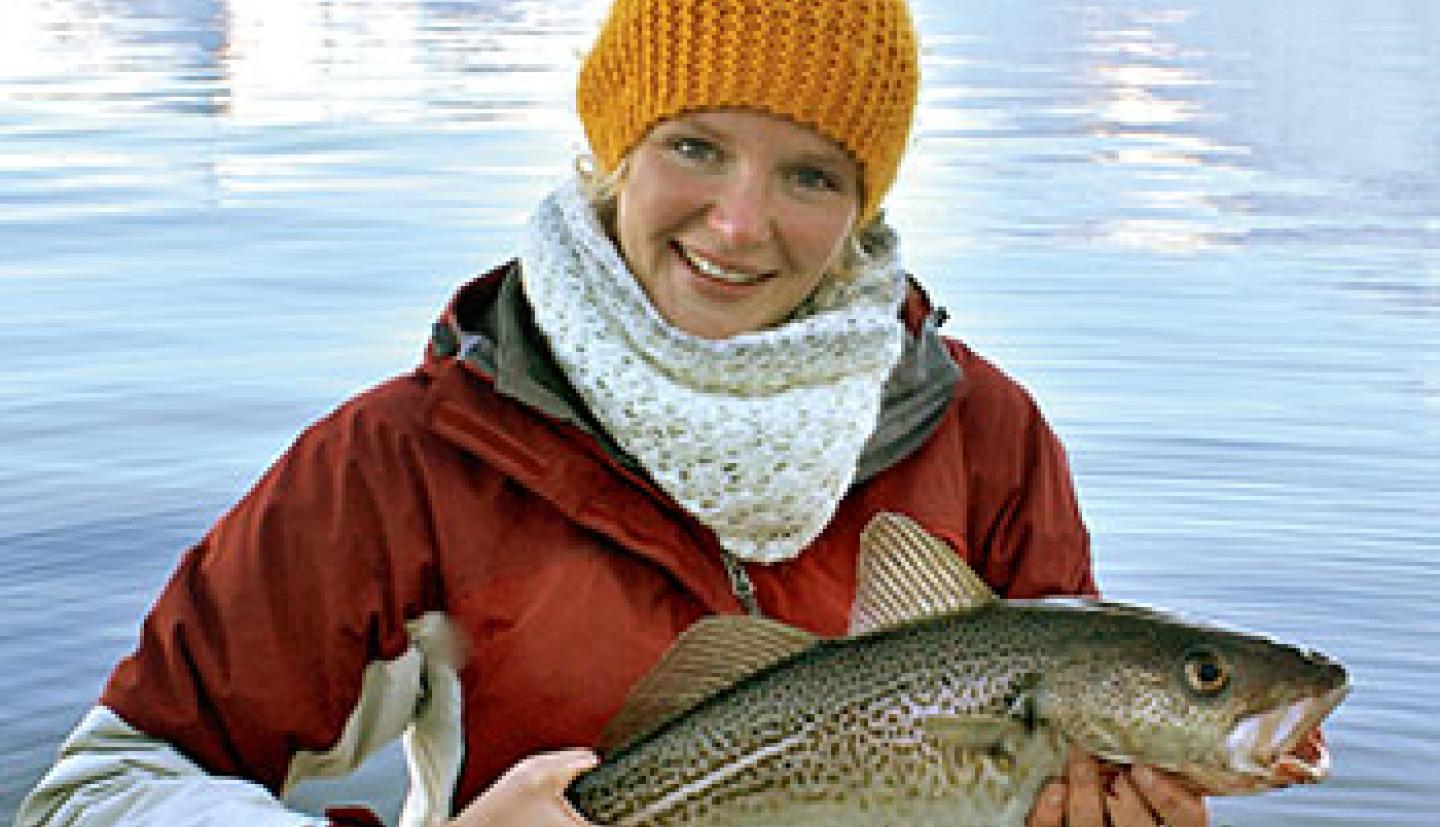
Oneida Lake is a good model for studying freshwater ecosystems because of its size and depth: At 78.9 square miles, by surface area it’s the largest lake wholly within New York state, with an average depth of 22 feet. Because the lake’s shallow waters mix completely each year, small changes ripple quickly throughout its ecosystem. During the 20th century, more than 75 species of fish were recorded in the lake, from minnows to giant lake sturgeon. Since the 1940s, walleye, bass and perch have dominated the lake’s fisheries; today it’s one of the premier sport fisheries for walleye in the Northeast.
Lars Rudstam, CBFS director and professor of natural resources, described his team’s work as a balancing act. They monitor fish populations and environmental changes for conservation as well as to support recreational fisheries—which on Oneida Lake alone bring in an estimated $20 million a year.
“It’s recreational to anglers but not to the local people who rely on the income for their livelihood,” Rudstam said.
Rudstam and his colleagues have been tracking a series of changes in freshwater lakes, including the Great Lakes. The mid-1970s were marked by a major reduction in phosphorous pollution, thanks to a state ban of phosphates in household detergents and better waste water treatment. Cleaning up the lakes reduced harmful algal blooms, but then populations of zooplankton—tiny animals at the bottom of lake food chains—dwindled. Fewer zooplankton meant less food for prey fish, and the result was disastrous for at least one major Great Lake fishery.
“In Lake Huron, a major decline in the zooplankton population caused a collapse in Chinook salmon. We have cleaner lakes because we’re doing a better job controlling the nutrients going into them, but we need to understand the consequences of these decisions,” Rudstam said.
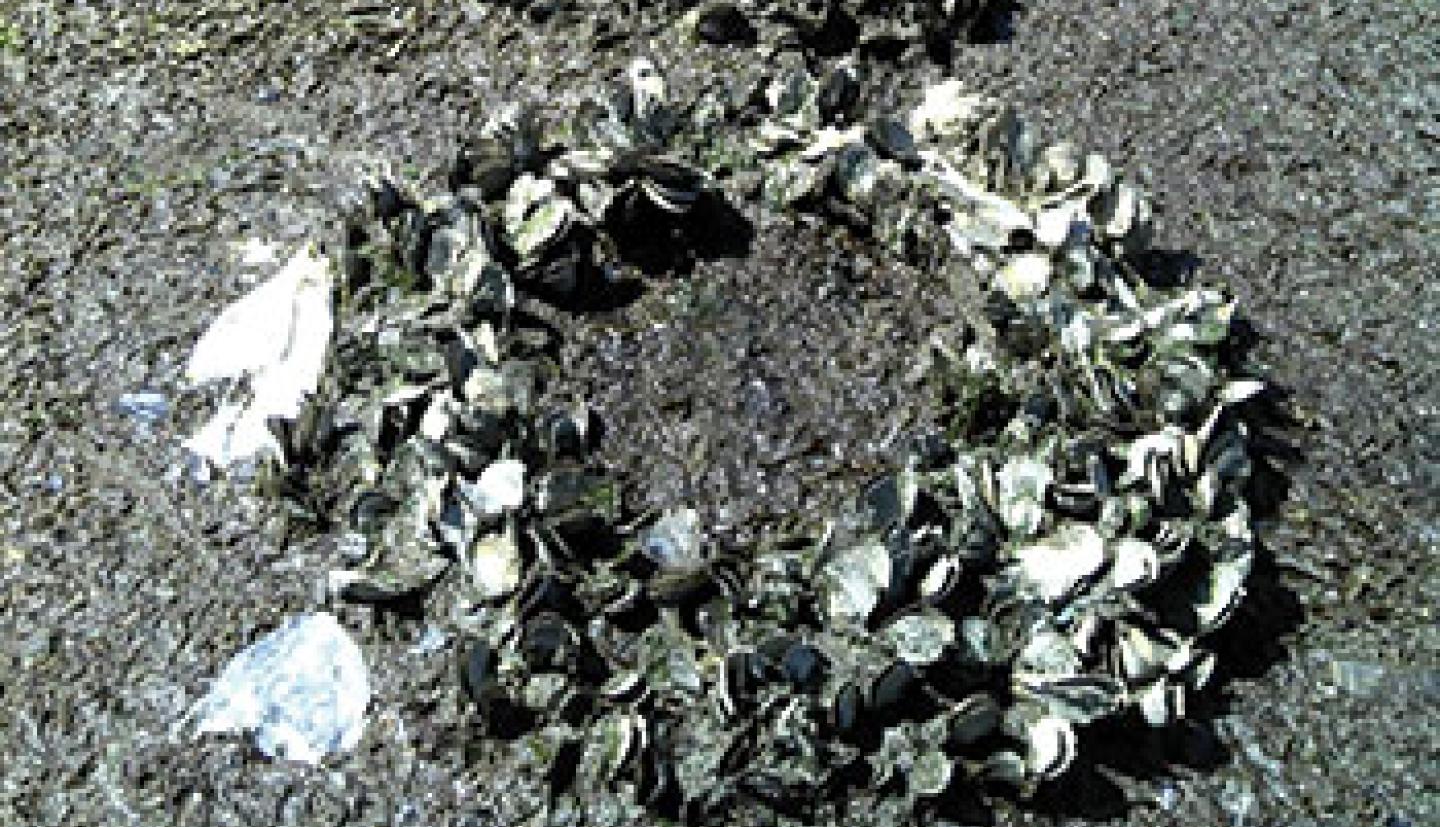
In 1991, those consequences were compounded by the arrival of the invasive zebra mussel, a bivalve that can filter 1 quart of water per day—straining out large amounts of phytoplankton, or tiny aquatic plants. The zebra mussel’s arrival drastically increased water clarity and quality in Oneida Lake. Today, sunlight penetrates deeper lake waters, allowing growth of underwater weed beds (the preferred habitat for smallmouth bass and sunfish), while making young fish more vulnerable to predators and potentially affecting light-sensitive walleyes.
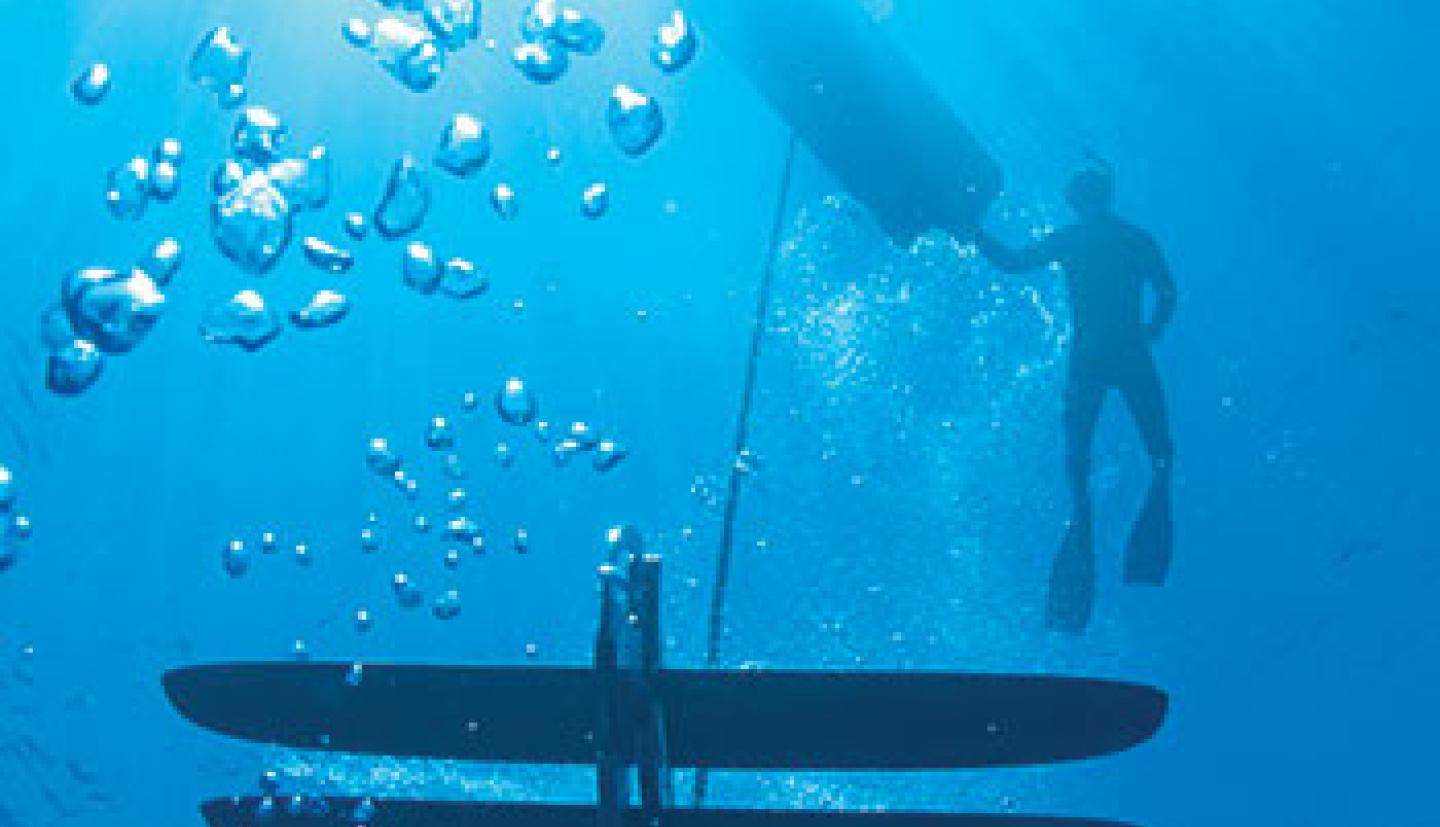
These complex food chain interactions are difficult to predict and prepare for, which is why CBFS research associate James Watkins ’89, Ph.D. ’11, is trying to gather better information on the feeding habits of important fisheries. In a new project launching this summer, Watkins will monitor Chinook salmon in Lake Ontario by tagging them with sophisticated satellite archival tags, called PSATS, which automatically drop off and transmit their data to satellites. The project will net data on temperature, depth and light in the salmon’s daily habitats, and by extension, those of its prey.
“By finding connections between the lake’s lower food web and fish populations, we’ll learn how to keep the Chinook salmon population healthy so it doesn’t have a similar fate [as those on Lake Huron],” Watkins said.
Planning for changing climate scenarios plays to the strengths of the CBFS, which can tap into six decades of data. Rudstam, together with senior research associate Randy Jackson and their CBFS colleagues, are mining historical records to tease out the effects of climate change on Oneida Lake, whose water temperatures rose by almost three degrees Fahrenheit from 1975 to 2001. By the end of the century, models predict that it will rise by six degrees—reshaping fish populations in favor of warm-water bass over walleye, and potentially bringing back the algae blooms that once earned Oneida Lake the nickname “le lac vert”—the green lake.