Back

Discover CALS

See how our current work and research is bringing new thinking and new solutions to some of today's biggest challenges.

Search for News & Stories

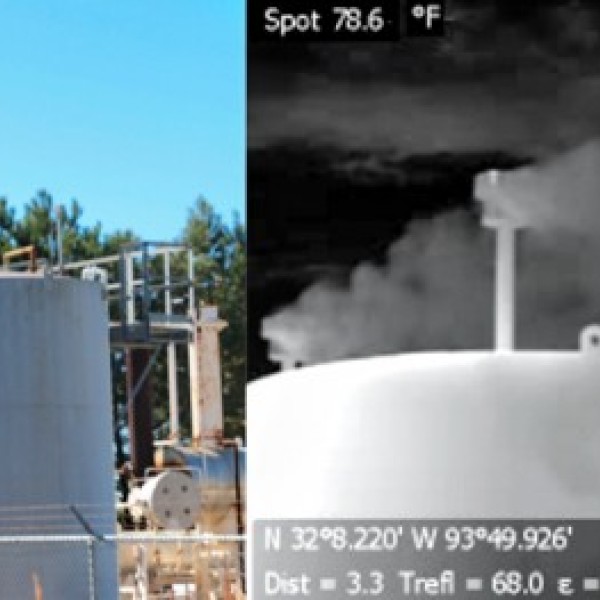
A silo containing liquefied natural gas

News

Liquefied natural gas leaves a carbon footprint that is 33% worse than coal, when processing and shipping are taken into account, according to a new Cornell study.

  • Ecology and Evolutionary Biology
  • Energy
  • Climate Change
Natural gas

News

Cornell professor Robert Howarth advised New York state senators last week to downsize the state’s natural gas pipeline system and to repeal laws that easily connect gas to new homes.

  • Ecology and Evolutionary Biology
  • Energy
  • Climate Change

News

Eleven 2030 Project grants were awarded to Cornell faculty for an array of fast-track climate solutions, including tools to help New York communities reduce their greenhouse gas emissions.

Patches of green fields taken from above

News

Cornell Atkinson has awarded seed funding to nine interdisciplinary projects that address a range of sustainability topics.

  • Animal Science
  • Biological and Environmental Engineering
  • Charles H. Dyson School of Applied Economics and Management
A data center

News

Four Cornell faculty testified to the NYS Assembly Oct. 27 on how firing up once-shuttered carbon-based power plants – to process cryptocurrency – could pause environmental progress.
  • Charles H. Dyson School of Applied Economics and Management
  • Ecology and Evolutionary Biology
  • Energy
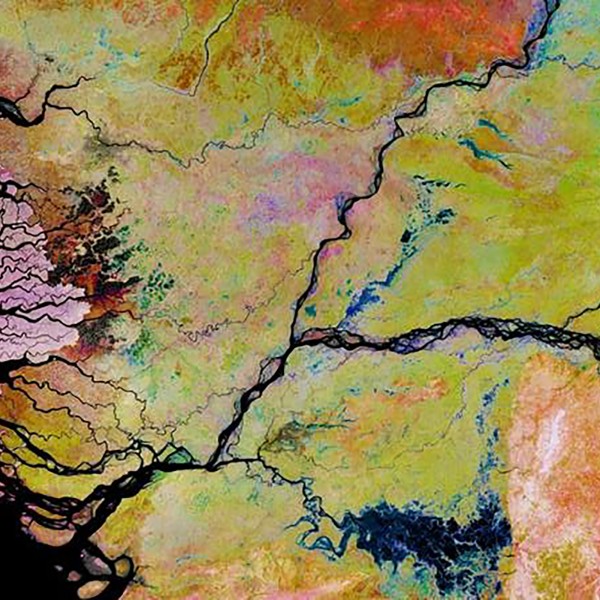
A river from above.

Spotlight

For 65 years, Cornell CALS has been a leader in biogeochemistry, an interdisciplinary field that studies elemental cycles through Earth’s air, land and water, and is critical to understanding climate change. The first journal in the field was founded by Professor Bob Howarth in 1984.
  • Environment
  • Climate Change
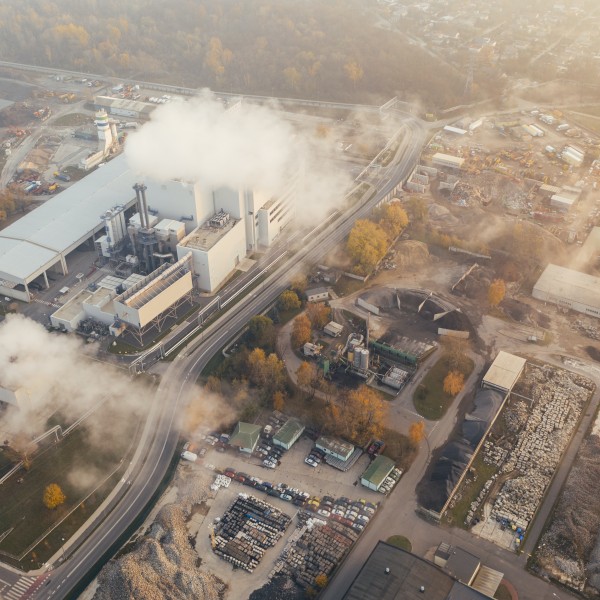
An arial view of an industrial plant giving off gas

News

‘Blue hydrogen – made by using methane in natural gas – is lauded a clean, Cornell and Stanford researchers believe it may harm the climate more than burning fossil fuel.
  • Cornell Atkinson
  • Ecology and Evolutionary Biology
  • Energy
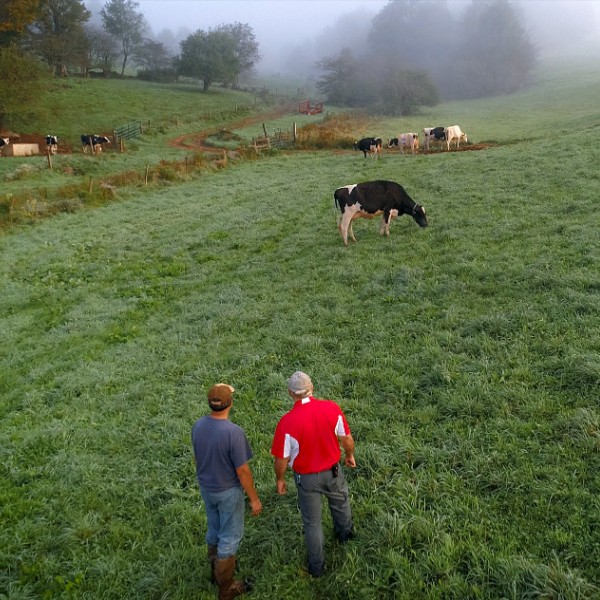
Two men standing in a field looking at a cow

News

Through an on-going partnership between the Cornell Atkinson Center for Sustainability and the Environmental Defense Fund (EDF), four Cornell faculty members have received new grants for three regional sustainability projects with global...
  • Cornell Atkinson
  • Ecology and Evolutionary Biology
  • Agriculture
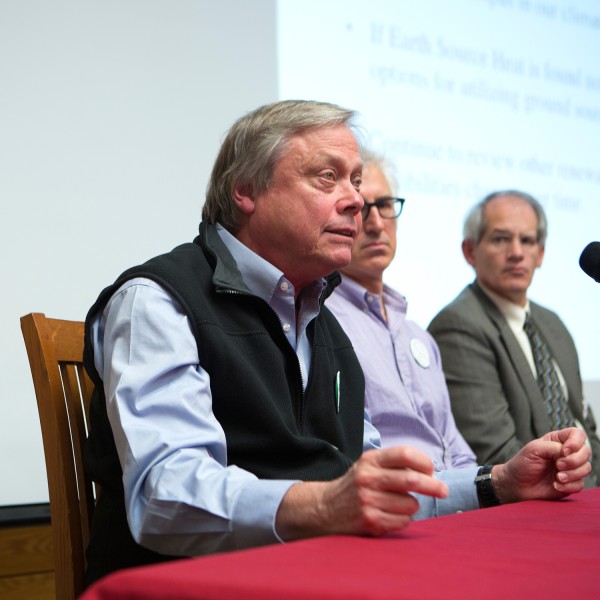
Three men sitting at a table speaking into microphones

News

Robert Howarth, the David R. Atkinson Professor of Ecology and Environmental Biology, has been appointed to the new Climate Action Council
  • Cornell Atkinson
  • Ecology and Evolutionary Biology
  • Biology
Images of two kinds of natural gas storage tanks

News

As methane concentrations increase in the Earth’s atmosphere, chemical fingerprints point to a probable source: shale oil and gas, according to new Cornell research published Aug. 14 in Biogeosciences, a journal of the European Geosciences Union...
  • Cornell Atkinson
  • Natural Resources and the Environment Section
  • Ecology and Evolutionary Biology
In a press room, a man in a suit signs a bill while others stand behind him watching and clapping

News

“It’s the most progressive legislation designed to avert climate change that any state has put out there,” said Howarth, the David R. Atkinson Professor of Ecology and Environmental Biology. The New York State Senate and the Assembly passed the...
  • Horticulture Section
  • Ecology and Evolutionary Biology
  • Energy