

periodiCALS, Vol. 8, Issue 1, 2018
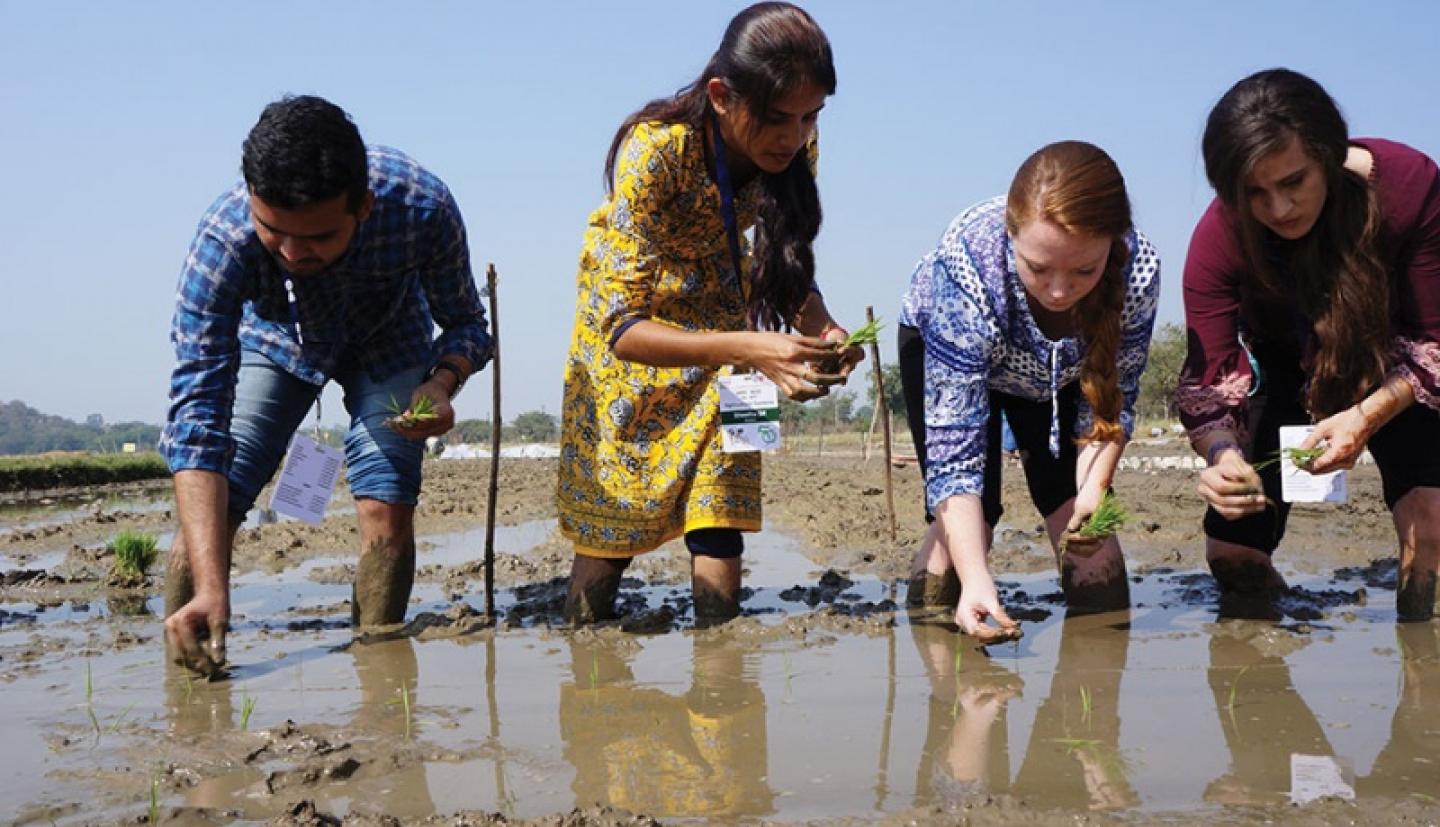
Innovative. Eye opening. Worrisome. Incredible. Communal. Inspiring. Educational. Unforgettable.
Those are just some of the ways 40 undergraduate students described their experience in south-central India in January, part of the 50th cohort to travel abroad in our International Agriculture and Rural Development 6020 (IARD6020) class.
A breakthrough when first introduced in 1968 and the first to take students abroad, the class is now Cornell’s longest running experiential learning course.
More than 2,500 undergraduate and graduate students and hundreds of faculty from Cornell and partner institutions have taken part in the course run by International Programs in CALS over the last 50 years. They have traveled to places as far flung as Myanmar, Thailand, India, Dominican Republic, Mexico, Costa Rica, Honduras and Ecuador.
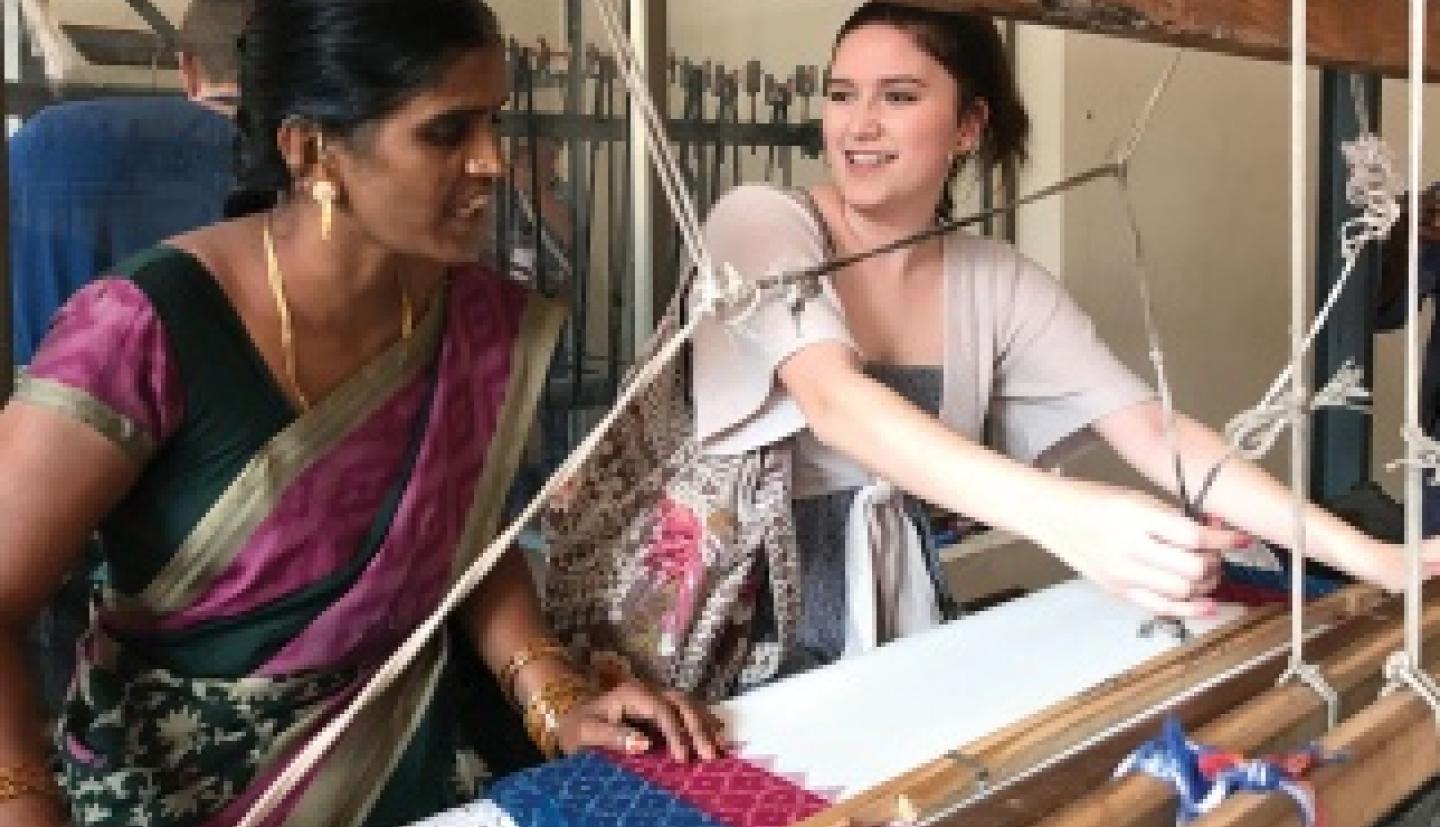
In the fall, in IARD4020, faculty teach concepts the class will experience during the 20-day field trip abroad in January, when they visit in-country agricultural systems, value-added food enterprises, rural development agencies, farms, veterinary services, textile cooperatives and clothing factories.
This year the Cornell undergraduates met up with the cohort of 14 Indian students who took IARD4020 remotely, in addition to joining the class in Ithaca for three weeks in October. In India, they split into four groups to focus on socio-economic and development issues. The cross-cultural experience helps students gain insight into issues of globalization, development and transnationalism.


