A trio of CALS researchers will use their expertise this summer to help students give voice to farmers in Tioga County, New York.
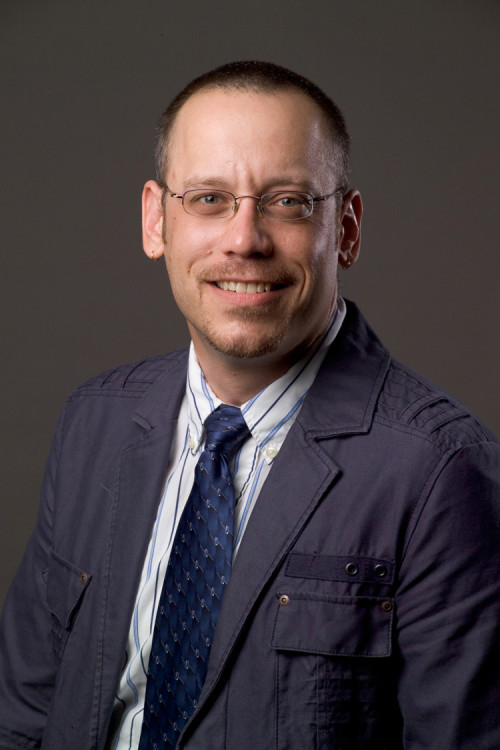
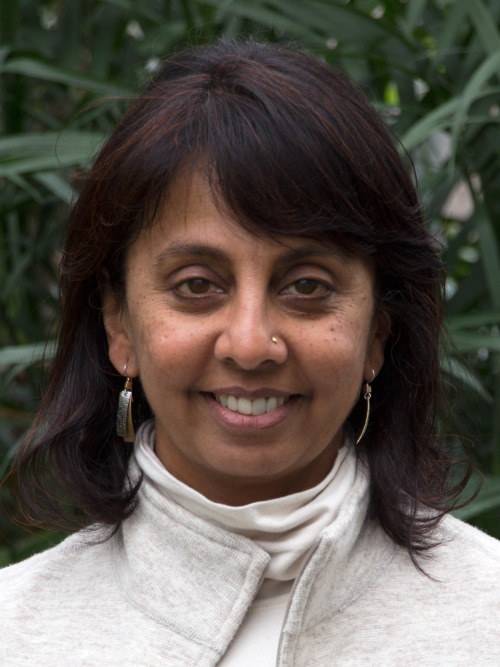
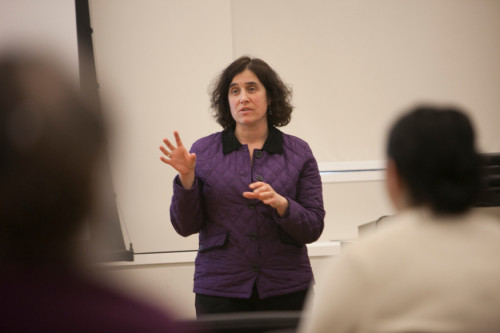
The researchers — Todd Schmit, associate professor in the Charles H. Dyson School of Applied Economics and Management; Heidi Mouillesseaux-Kunzman, senior extension associate with the Community and Regional Development Institute (CaRDI) in the Department of Development Sociology; and Anusuya Rangarajan, senior extension associate in the School of Integrative Plant Science — will provide a student team with discipline-based resources as they shed light on the challenges and triumphs of Tioga County farmers, their motivations for becoming farmers, and plans for the future.
The project, “Our Farms; Our Stories,” is one of three to receive grant funding in the inaugural round of Engaged Cornell Cooperative Extension Student Projects.
Students will collaborate with staff in the Cornell Cooperative Extension (CCE) Tioga County Association office, who initiated the project based on needs they and their constituents identified in the community.
“We have a long history of working with Cornell faculty, but we haven’t often worked with students,” said Andy Fagan, executive director of CCE Tioga. “We are excited to have the opportunity, through these grants, to interact with more students. With their help, we can approach this project in a more comprehensive manner than we could with our existing resources.”
Looking beyond impersonal census numbers and production levels, “Our Farms; Our Stories” will promote a greater understanding of the county’s farmers, including small-scale and beginning farmers, about whom CCE Tioga would like to know more. After visiting and interviewing farmers, undergraduate students will present their findings to county association staff and local community members. Through the project, CCE Tioga aims to work with partners – the New York Farm Bureau, Tioga County Economic Development and Planning, and Tioga County Agriculture Resource Group – to strengthen the agricultural industry and support broad community and economic development in the county.
“This project presents an opportunity to meet a local need while engaging students in a research project that we hope will be a model that other communities will find useful,” said Mouillesseaux-Kunzman, who will help oversee the student team. “The students will develop knowledge, skills and resources in ways that would not be as rich if the projects were based only in the classroom.”
The Tioga County project is seeking students studying agriculture, community and economic development, or communication. The opportunity is not limited to College of Agriculture and Life Sciences students, and recruitment is ongoing. Interested students from across campus are encouraged to reach out to Mouillesseaux-Kunzman.
CCE associations in Broome and Sullivan counties also received grants for Engaged Cornell Cooperative Extension Student Programs. Through “Let’s Eat New York!,” CCE Broome County and faculty and students in development sociology will partner with the Broome County Farm Bureau and Broome County Health Department. They will take an interdisciplinary, community-based approach to examine the county’s food systems and opportunities to stimulate food access.
“Supporting Sullivan Seniors, Youth and Children” teams CCE Sullivan staff with faculty and students in urban and regional planning to design and conduct research to identify current needs, barriers and opportunities for Sullivan County seniors, youth and children. The project team will work closely with Travis North, MRP/MLA ’14, planner for Sullivan County.
“A primary goal of our partnership with Cornell Cooperative Extension is to support CCE associations in linking local community groups and partners with the university,” said Vice Provost Judith Appleton, director of Engaged Cornell. “Over the next year, we hope that colleges from across campus will find creative and impactful ways to partner with associations to address community interests.”
Ashlee McGandy is a content strategist at Cornell.