

Concentrations
All Biological Sciences Majors must declare a concentration.
The concentration provides students with the opportunity to specialize in a particular biological discipline or, in the case of the General Biology concentration, take from multiple areas in biology.
The departments of Biological Statistics and Computational Biology, Ecology & Evolutionary Biology, Microbiology, Molecular Biology and Genetics, Neurobiology & Behavior, Plant Biology, and Biomedical Sciences participate in the major, as does the Division of Nutritional Sciences.
The 14 concentrations in the Biological Sciences major.
Due to the new formatting in Catalog, we are no longer able to link to each of the concentration requirements individually. To access the concentration requirements, please use the links below and scroll down to find the concentrations listed in alphabetical order. You can click on the plus sign on the far right to expand each section.
** New Concentration Beginning Fall 2026 **
Beginning Fall 2026, students can declare Immunology Health & Disease as their concentration. Please scroll down for more information including a video about the concentration.

Animal Physiology
Explore function across species—molecular to organismal, including humans.

Biochemistry
Dive into the molecular basis of life by examining how proteins, DNA/RNA, lipids, and carbohydrates power breakthroughs in medicine, research, and biotechnology.

Biodiversity & Systematics
Biodiversity encompasses the full range of life—from genes to ecosystems—and their interactions, while systematics studies and classifies this diversity and its evolutionary relationships, providing the scientific framework to understand, conserve, and apply knowledge of life on Earth.

Computational Biology
Study the computational methods essential to all domains of biological research.

Ecology & Evolutionary Biology

General Biology
A flexible wide-ranging exploration of biology that promotes investigation and understanding of a range of biological areas from molecules to ecosystems.

Genetics, Genomics & Development
Explore the mechanisms by which genes and entire genomes are structured, expressed, and regulated to control the growth, function, and formation of living organisms from a single cell to a fully developed individual.

Human Nutrition
Nutrition for promotion of human health and disease prevention.
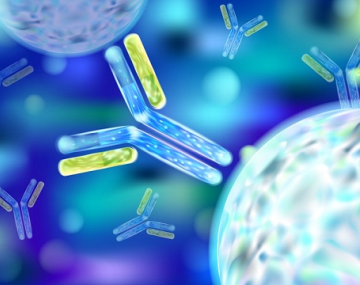
Immunology in Health & Disease
To explore how immune systems defend against disease and maintain a healthy state at the organismal-level and the population-level.
Watch a video about the concentration.

Marine Biology
Biology of marine life, from microbes to whales and from cells to gyres.

Microbiology
Molecular insights into the marvelous machinations of microbes.

Molecular & Cell Biology
Explore the mechanisms by which molecules like RNA, DNA, and proteins interact within cells to regulate their structure, function, and behavior.

Neurobiology & Behavior
Exploring how nervous systems generate behavior, from neurons to societies.

Plant Biology
Plants are fundamental to life as primary producers, and the Plant Biology concentration equips students through hands-on and theoretical training to study plant structure, evolution, ecology, and biotechnology, preparing them for research, advanced study, and careers addressing global challenges like food security and climate change.